
To sell land in Texas is a profitable business provided that one reaches the right consumers. No matter how large your parcel of land may be, a big ranch or a suburban fill-in lot, or undeveloped acreage, to find buyers with motivation to purchase land as your buyer, you need to employ strategy, market expertise and focused marketing efforts.
This is an extensive guide of insider tips on 2025 that enable sellers to locate qualified buyers fast, optimize offers and close in confidence. Whether on the internet or on the ground networks, you will get the tested and best channels including best practices to market your property.
1. The Learning in the Current Year Texas Land Market
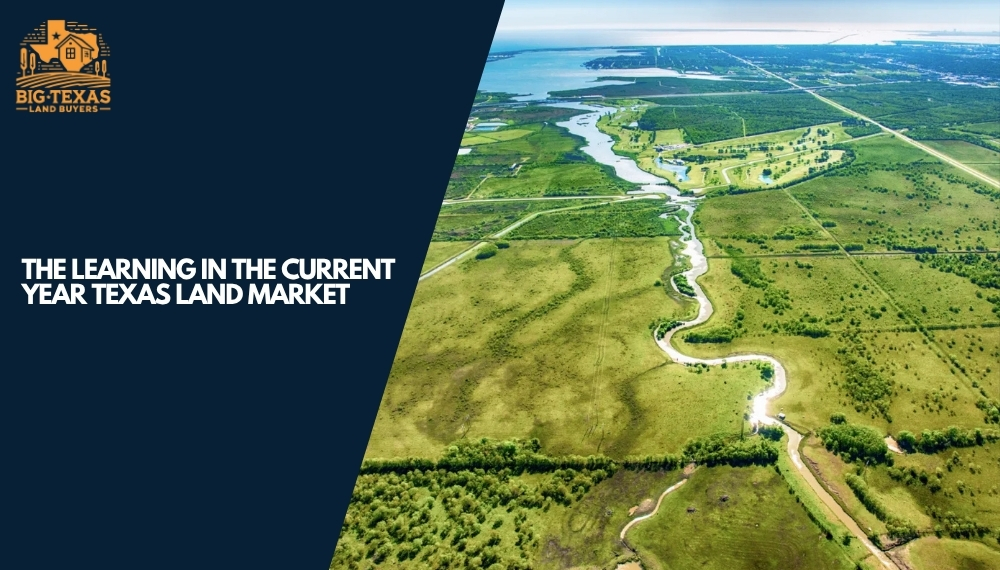
It is also important to understand the dynamics of the market before selecting the buyers:
- Demand Rural vs. Urban: Telework patterns that positively predicted remote work in the post-pandemic situation favor the sale of suburban and exurban land, although ranch and recreational properties are still popular among lifestyle investors.
- Farming Interests: As fertilizer and other commodity costs increase, farmers and ranchers are on the hunt to find adjacent land with which to increase their operation.
- Development Opportunities: The super-sized metroplexes like Austin and Dallas-Fort Worth drive the demand of residential and mixed-use lands.
Local supply analysis, zoning changes, and comparative sales information can be used to produce the best marketing message and price expectations to the correct audience.
2. Utilize Online Markets and Listing Makes
Some buyers are still starting the purchase process with digital platforms. In order to access this audience:
- Niche Land Portals: LandWatch, Land and Farm, and Lands of Texas are sites visited by people currently seeking land to buy, usually by the acre price range and property application in mind. Include listings with premium location and quality photos in the first place.
- MLS Integration: When you are dealing with a real estate professional, make sure a listing is listed with the Multiple Listing Service which will syndicate to Realtor.com, Zillow and Trulia where most investors and agents will start their search.
- Dedicated Landing pages: Build a dedicated branded listing page on a page of your own site, with the following keyword volume construction; Buyers in Texas + region specific terms (e.g., in Williamson County, acreage on the market).
3. Partner with Local Land Brokers and Agents
While digital reach is essential, nothing replaces on-the-ground expertise:
- Land-Specialist Realtors: Seek agents focusing exclusively on land transactions. Their networks of repeat investors, developers, and end-users often yield faster, higher offers.
- Auction Houses: Regional auction firms like Williams & Williams or TORRE & ASSOCIATES can generate competitive bidding, especially for unique or high-demand tracts.
- Farm Credit and Ag Lenders: Lenders maintain portfolios of farmer and rancher clients looking to expand; partnering with these institutions can connect you directly to pre-qualified purchasers.
Engaging a seasoned broker can command a wider audience, negotiate better terms, and manage due diligence efficiently. Ensure your agreement includes performance-based marketing commitments.
4. Tap into Niche Buyer Networks
Beyond mainstream channels, consider targeted groups:
- Equine and Equestrian Associations: Horse-owners often seek pastureland and facilities—advertise in Texas Quarter Horse Association and local stable newsletters.
- Conservation Buyers: Land trusts and conservation-minded individuals may pay premiums for easement-protected parcels. Contact organizations like Texas Parks and Wildlife Foundation.
- Renewable Energy Developers: With wind and solar projects proliferating in West Texas, companies scout large, flat tracts for leases or purchases. Pitch directly to project developers and consultants.
Cultivating relationships within these niches increases the likelihood of finding buyers with aligned interests and deep pockets.
5. Utilize Digital Marketing Strategies
Complement listings with proactive outreach:
- Search Engine Marketing (SEM): Run Google Ads campaigns targeting queries like “sell land Texas” and “land for sale near me,” directing traffic to your landing page.
- Social Media Advertising: Facebook and LinkedIn ads can be finely targeted by geography, income level, and interests (e.g., agriculture, real estate investment). Promote virtual tours and upcoming open-land events.
- Email Campaigns: Compile a database of local and out-of-state buyers, realtors, and investors. Send well-designed newsletters highlighting your property’s unique features, recent sales comps, and invite them to broker previews or webinars.
Digital tactics allow real-time adjustments based on click-through and inquiry metrics, ensuring your marketing budget generates the best ROI.
6. Host On-Site Events and Tours
Nothing replaces the power of experiencing land firsthand:
- Broker-Only Previews: Invite top agents to an exclusive event offering catered meals, property maps, and financing information.
- Public Open Days: Schedule weekend tours with signage on major roads and digital registration to collect leads.
- Virtual Reality Walkthroughs: For remote buyers, provide VR headsets or 360° video tours to simulate the on-site experience.
Well-organized events foster urgency and competition among interested parties, often leading to stronger offers.
7. Compare Buyer Types to Tailor Your Approach

| Buyer Type | Motivation | Deal Structure | Timeline |
| Individual Investors | Long-term appreciation | Cash or small loans | 30–60 days |
| Developers | Subdivision, commercial projects | Equity partnerships, land swaps | 90+ days |
| Agricultural Producers | Operational expansion | SBA or USDA-backed loans | 60–120 days |
| Conservation Groups | Environmental protection | Bargain sale, easements | 120+ days (variable) |
| Renewable Energy Firms | Wind/solar project sites | Long-term leases, purchases | 60–90 days |
Understanding each segment’s priorities—speed, financing, permitted use—enables you to craft customized proposals and streamline negotiations.
8. Negotiation and Due Diligence Best Practices
Once offers arrive:
- Leverage Multiple Bids: Use competing proposals to negotiate better prices or terms.
- Review Financing Contingencies: Ensure proof-of-funds for cash buyers or solid loan pre-approvals for financed purchases.
- Coordinate Title and Surveys: Engage a reputable title company early and provide recent boundary surveys to reduce surprises.
- Evaluate Earnest Money: Higher deposits signal buyer commitment and discourage back-outs.
Employ clear, professionally drafted contracts—whether via standard TAR forms or custom land-sale agreements—to protect your interests throughout closing.
Why Us?
Large institutional land buyers in Texas are drawn by the state’s combination of vast available acreage, favorable regulatory environment, and strong economic fundamentals. Texas offers diverse land types—from fertile farmland in the Panhandle to expansive ranch country in South Texas—allowing large-scale investors to pursue agriculture, energy production, and conservation projects simultaneously.
The state’s low property taxes, absence of state income tax, and streamlined permitting processes further reduce holding costs and bureaucratic hurdles, making Texas parcels particularly attractive for corporations and investment funds looking to secure long-term asset appreciation and operational efficiencies.
Moreover, Texas’s robust population growth and infrastructure expansion fuel demand for residential and commercial development, prompting major developers and REITs to acquire wide swaths of land ahead of urban sprawl. Renewable energy firms likewise compete for large tracts in West and North Texas to establish wind and solar farms, supported by state incentives and transmission network investments.
Coupled with persistent interest from conservation groups placing easements on ecologically valuable properties, these forces ensure that big Texas land buyers remain active, sophisticated, and well-capitalized participants in the Lone Star real estate market.
Conclusion
Finding the right land buyers in Texas in 2025 demands a multi-pronged approach: combining online exposure on specialized portals, partnerships with local brokers, targeted digital marketing, and niche networking. By understanding buyer motivations, hosting engaging property events, and streamlining due diligence, sellers can attract well-qualified offers and secure optimal sale outcomes. At here, we guide landowners through each step—leveraging our expertise in digital outreach, market analysis, and deal execution to deliver results that exceed expectations. Armed with these insider tips, you’re ready to connect with motivated buyers and close your Texas land sale with confidence.